
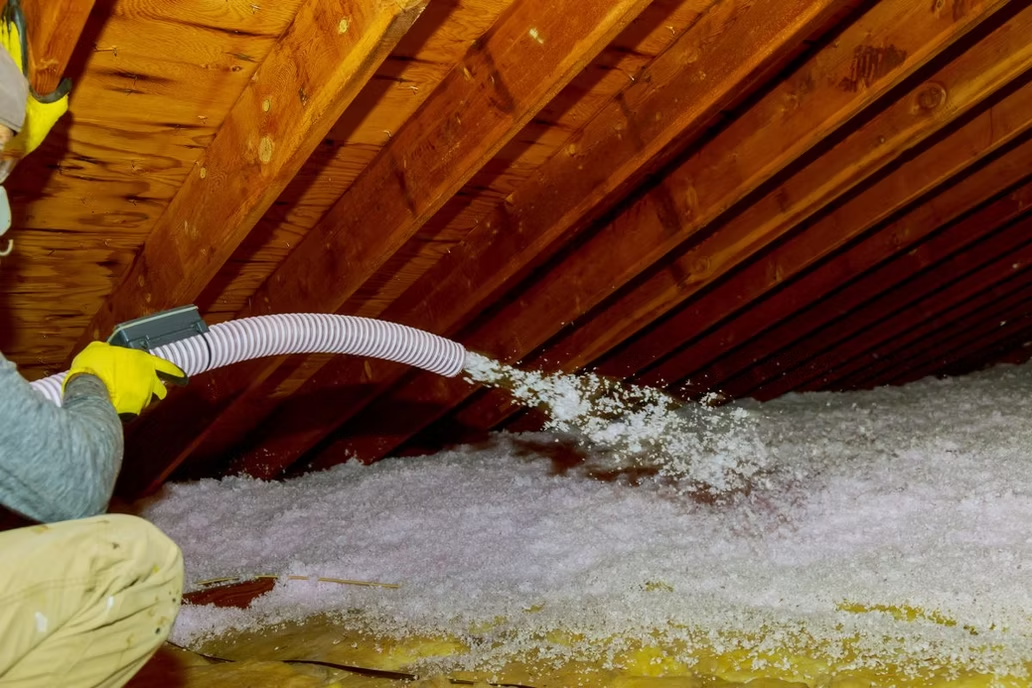
Blown-In Insulation
Clarifying Common Inquiries
Blown-in insulation is typically made from cellulose, fiberglass, or mineral wool materials.
It is commonly used in attics, wall cavities, and hard-to-reach or irregular spaces.
The insulation material is blown into place using specialized equipment through open areas or small access holes.
Benefits of Spray Foam Insulation
Blown-in insulation is a versatile and efficient method of insulating homes and commercial spaces. This technique involves using a specialized machine to blow loose insulation materials, such as fiberglass, cellulose, or mineral wool, into desired areas, creating a seamless and effective thermal barrier. Blown-in insulation is particularly useful for insulating hard-to-reach spaces, attics, walls, and cavities with irregular shapes.
Efficient Thermal Barrier: Blown-in insulation creates a continuous layer that efficiently resists heat flow, leading to improved energy efficiency and reduced heating and cooling costs.
Complete Coverage: The blowing process ensures that insulation effectively fills gaps, voids, and irregular spaces, providing comprehensive coverage for enhanced performance.
Sound Dampening: The dense composition of blown-in insulation helps absorb sound, reducing noise transmission between rooms and from the outside environment.
Moisture Management: Blown-in materials like cellulose have moisture-wicking properties, helping to manage and prevent the accumulation of dampness and condensation.
Eco-Friendly Option: Many blown-in materials are made from recycled content and are eco-friendly, contributing to sustainable building practices.
Quick Installation: The blowing process allows for efficient and quick installation, minimizing disruption to your property and daily routines.
Versatility: Blown-in insulation is suitable for various areas, including attics, walls, and crawl spaces, adapting to different architectural designs and structures.
Cost Savings: With its excellent insulation properties, blown-in insulation helps maintain consistent indoor temperatures, reducing the need for excessive heating or cooling.
By opting for blown-in insulation, you're not only improving energy efficiency but also benefiting from sound control, moisture management, and environmental responsibility. This insulation method offers a well-rounded solution to enhance comfort and reduce energy expenses in your living or working space.